
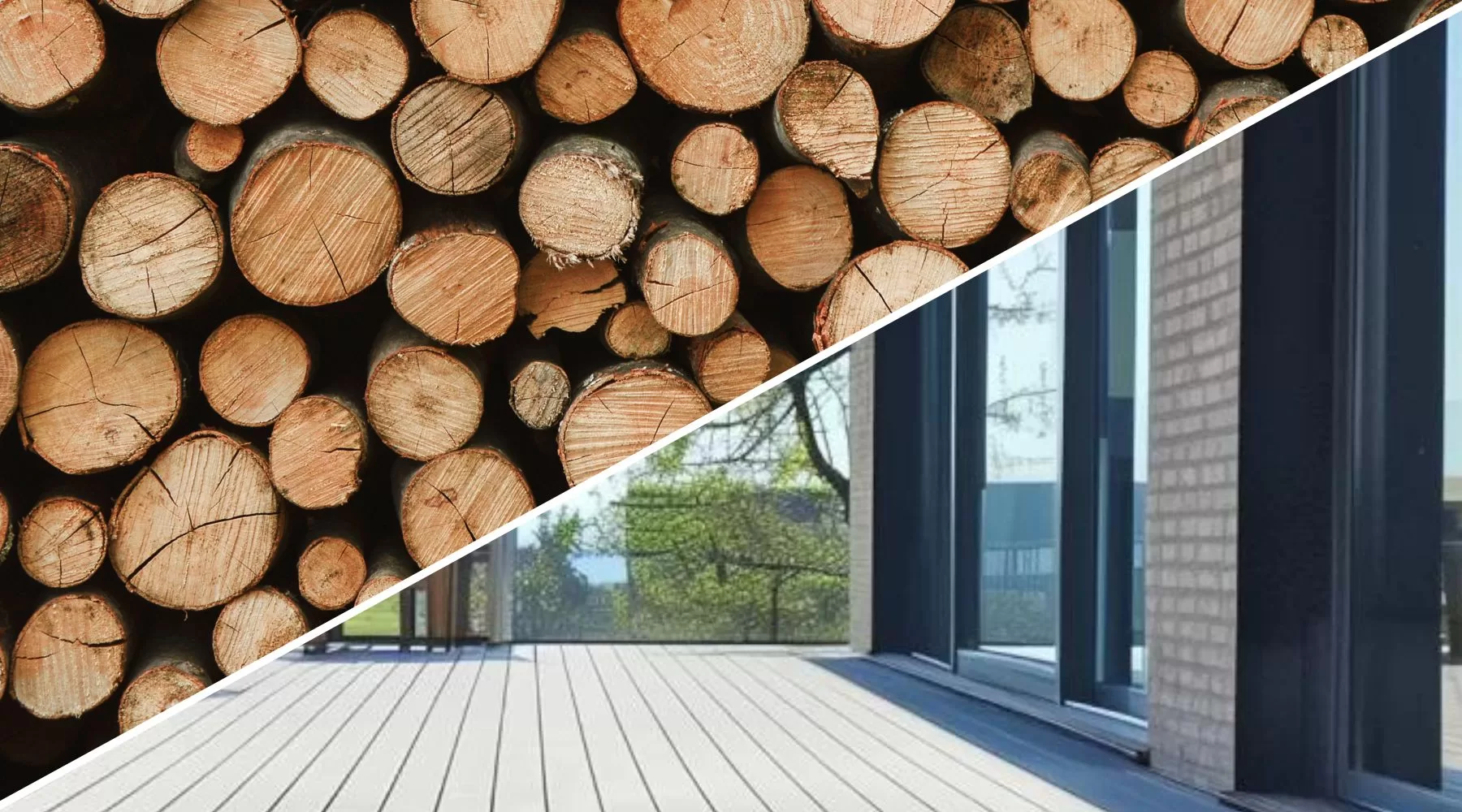
Which Material Is Best For You?
Homeowners who are building or renovating a deck often face a common decision: Should they choose the natural beauty of timber decking or the durability and eco-friendliness of composite decking?
This detailed guide analyses the advantages and disadvantages of both materials, equipping you with the information necessary to make an informed decision that suits your lifestyle, budget, and aesthetic preferences.
The deck has now become an extension of the living space, acting as a bridge between the comfort of indoors and the natural beauty of outdoors. Therefore, homeowners must choose the right decking material to enhance their outdoor living experience. Composite and timber decking have their unique advantages and disadvantages, which we will examine in detail.
Timber Decking: The Natural Choice
Timber decking has been the traditional choice for decades, and it is known for its natural beauty, warmth, and affordable appeal. It is made from various wood types, including softwoods like pine and hardwoods like teak, ipe, and jarrah.
Pros of Timber Decking
- Aesthetics: Timber offers a natural beauty that seamlessly integrates with any garden or outdoor setting. Its authentic look and feel are hard to replicate.
- Biodegradable: Wood is a natural, renewable, biodegradable resource, making timber decking an eco-friendly option when sourced from sustainably managed forests.
- Cooler Surface: Timber naturally absorbs less heat than composite decking, making it a comfortable choice in hot climates.
Cons of Timber Decking
- Maintenance: To maintain its appearance and longevity, timber decking requires regular maintenance, including sanding, staining, and sealing.
- Durability Concerns: Without proper maintenance, wood can succumb to weathering, rot, and insect damage.
- Variable Costs: The price of timber decking varies widely depending on the wood type, with hardwoods being more expensive than softwoods.
Composite Decking: The Modern Alternative
Composite decking is a modern alternative to wood. It is made from a blend of wood fibres, plastics, and binding agents. Its durability, low maintenance, and environmental sustainability have gained popularity.
Pros of Composite Decking
- Low Maintenance: Composite decking requires minimal upkeep, with no need for sanding, staining, or sealing.
- Durability: It is designed to resist fading, staining, scratching, and mould, making it a long-lasting option for outdoor spaces.
- Sustainability: Many composite decking products are made from recycled materials, reducing waste and the need for virgin timber.
Cons of Composite Decking
- Initial Cost: The upfront cost of composite decking is typically higher than that of timber decking, though it may offer savings over time due to lower maintenance costs.
- Heat Retention: Composite decking can become hot underfoot in direct sunlight, which might be considered in warmer climates.
- Less Natural Look: While high-quality composites mimic the look of wood, some homeowners may need the more natural charm of real timber.
Factors to Consider
When deciding between composite and timber decking, several factors come into play. Here are key considerations to help guide your decision:
Lifestyle and Maintenance
Before choosing, consider how much time and effort you will commit to deck maintenance. If you prefer a low-maintenance option, composite decking might be the right choice. However, if you enjoy periodic maintenance and prefer wood’s natural ageing process, then timber decking could be more appealing.
Budget
Initial cost vs. long-term savings is a significant consideration. Timber decking may have a lower upfront cost, but composite decking can save money and time on maintenance in the long run.
Aesthetics
Your personal preference for the look and feel of decking is important. Timber decking offers an evolving natural beauty, while composite decking provides a consistent appearance with a wide range of colour and style options.
Environmental Impact
Consider the environmental implications of your choice. While timber is a natural, renewable resource, it must be sourced sustainably to minimise environmental impact. Composite decking, made from recycled materials, offers an alternative that reduces the need for virgin timber and landfill waste. Find out more about the benefits of sustainably sourced materials.
Climate
The climate in your area can influence the longevity and performance of your decking material. Composite decking’s durability might be preferable in humid or coastal regions, whereas timber decking’s cooler surface could be more comfortable in hot, sunny areas.
Should you have any questions regarding our decking range, please browse the website further or contact one of our team directly on 01706 301 002.